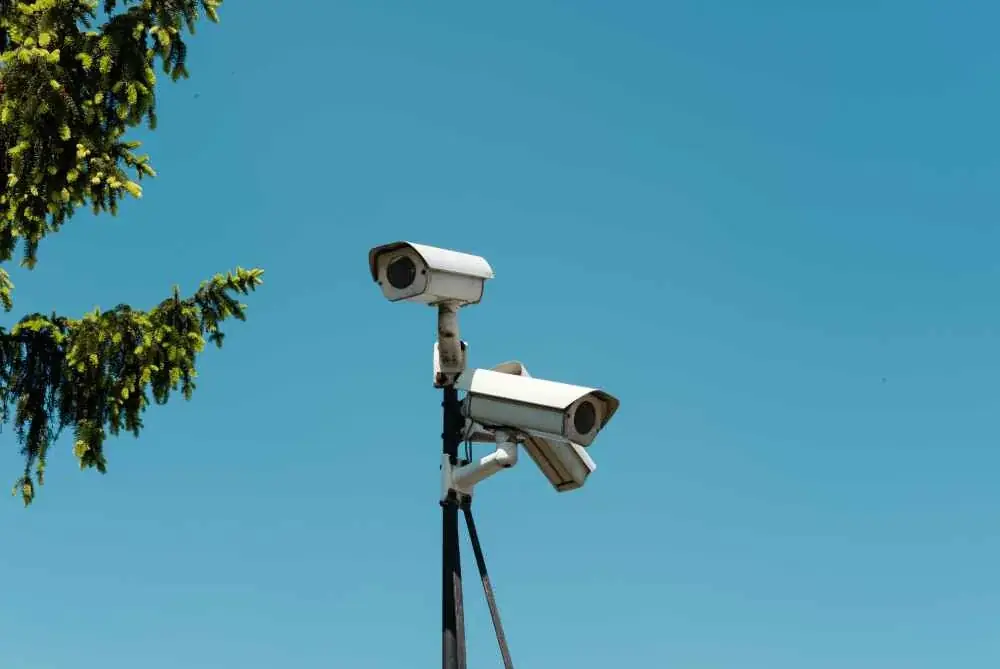
Best Surveillance System Options: Definitive Enterprise Monitoring Guide
The architecture of modern security infrastructures demands a decisive shift from disparate hardware selection toward holistic operational frameworks. Deploying comprehensive optics requires an analytical synthesis of network bandwidth, environmental optical physics, and centralized data management. Furthermore, security directors and system engineers must evaluate how site geography, lighting vectors, and algorithmic edge processing intersect. Through these meticulous configurations, facilities successfully safeguard sensitive assets and maintain situational awareness.
Designing an effective optical layout involves navigating intricate spatial and behavioral variables. For instance, a monitoring strategy tailored for a sprawling multi-acre logistics terminal with extensive blind spots differs fundamentally from an urban high-rise facility vulnerable to targeted intellectual property theft. Consequently, technical planners must avoid generic out-of-the-box packages. Instead, they implement customized methodologies that account for localized threat vectors, retention mandates, and network resilience.
This analysis examines the rigorous engineering principles, systemic frameworks, and operational dynamics that define the best surveillance system options. By dissecting the intersection of optical engineering, network architecture, and digital risk management, this reference provides a definitive blueprint for long-term site monitoring.
Understanding “best surveillance system options”
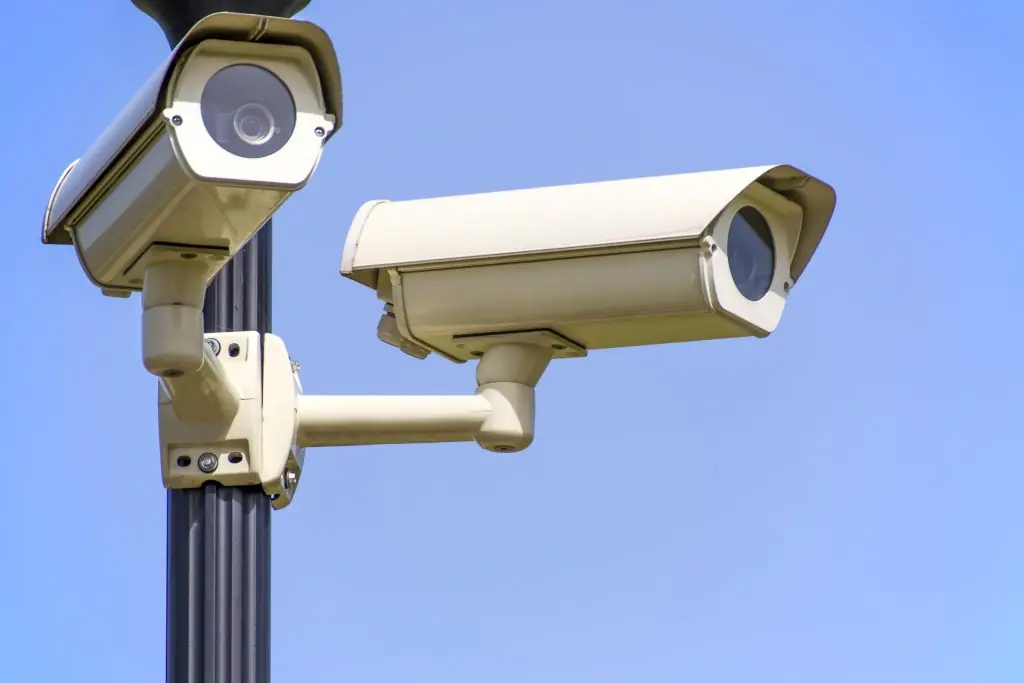
The phrase best surveillance system options encompasses the highest standards of strategic optical design, network topology engineering, and automated analytics integration applied to modern properties. Far from denoting a simple shopping list of cameras, the concept refers to a multi-tiered structural blueprint. This blueprint harmonizes high-definition optical capture, edge-computing analytics, and secure data storage into a cohesive operational framework. Moreover, these plans merge physical camera placement with intelligent software triggers and redundant power backbones.
A common misconception views surveillance system design as a purely plug-and-play technical task solved entirely by maximizing megapixel counts. In practice, this reductionist mindset creates network bottlenecks, storage exhaustion, and critical blind spots. Over-relying on high-resolution streams without managing bandwidth or illumination vectors degrades overall evidentiary value. Furthermore, confusion often arises between consumer-grade cloud apps and enterprise-grade video management systems. Ultimately, true plans require rigorous site surveys and compliance with local data privacy mandates.
Deep Contextual Background
The evolution of professional optical monitoring mirrors the broader convergence of digital networking, compression algorithms, and semiconductor processing. For decades, security monitoring relied on analog closed-circuit television (CCTV) systems transmitting uncompressed video over coaxial cables to bulky cathode-ray tube monitors and magnetic tape VCRs. However, the transition to Internet Protocol (IP) networking and high-definition digital sensors fundamentally altered this trajectory. It demonstrated that distributed video packets could be routed, analyzed, and stored across enterprise networks without physical distance limitations.
Concurrently, the rapid proliferation of edge-computing chipsets transformed cameras from passive recording lenses into active analytical nodes. Specifically, onboard neural processing units allowed modern optical hardware to differentiate between normal environmental motion and specific threat signatures in real time. Today, the surveillance sector stands at the intersection of automated computer vision, cloud-hybrid architectures, and centralized security operations centers. Consequently, this shift allows operators to manage massive multi-site visual networks while minimizing human monitoring fatigue.
Conceptual Frameworks and Mental Models
Navigating the complexities of robust optical network design requires structured mental models that balance technical throughput with security objectives.
-
The OODA Loop Visual Integration Model: This model applies Observe, Orient, Decide, and Act principles to camera feed routing, ensuring operators receive actionable insights before incidents escalate.
-
The Resolution-to-Coverage Ratio Framework: This framework balances optical pixel density per foot against broad spatial coverage, preventing blind spots in critical zones.
-
The Bandwidth-Storage Equilibrium Model: This model calculates compression efficiency, frame rates, and retention periods to prevent enterprise network saturation.
-
The Defense-in-Depth Optical Layering Model: This model conceptualizes monitoring as concentric visual rings—from wide perimeter overviews to narrow access-point facial captures.
Key Categories or Variations
Comprehensive system planning encompasses diverse strategic variations, balancing optical capability and architectural placement.
-
Edge-Processed Artificial Intelligence Cameras: These units execute human and vehicle classification directly on the device, minimizing backend server loads.
-
Long-Range Thermal Imaging Arrays: Such arrays detect thermal radiation signatures in absolute darkness or through dense smoke and heavy fog.
-
Multi-Sensor Panoramic Stitching Units: These cameras deploy multiple lenses within a single housing to provide seamless 180-degree or 360-degree situational overviews.
-
Cloud-Managed Hybrid Storage Systems: These architectures combine local Network Video Recorders (NVR) with cloud redundancy for disaster recovery.
-
Solar-Powered Remote Cellular Nodes: Designed for isolated perimeters lacking grid power or wired internet infrastructure.
-
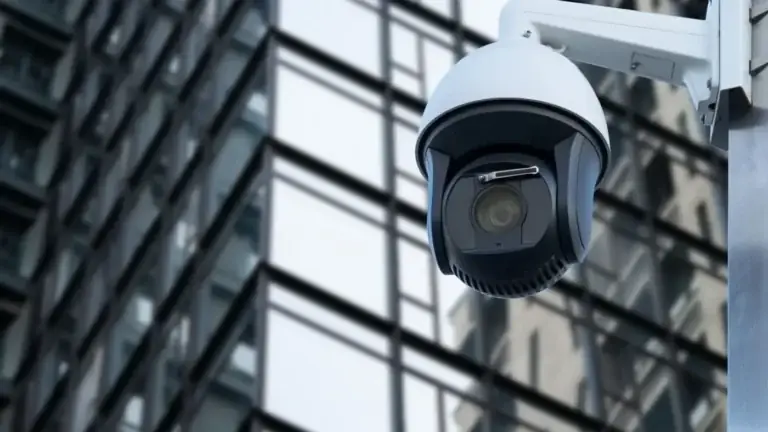
PTZ (Pan-Tilt-Zoom) Tracking Systems: Automated units that lock onto and follow moving targets across expansive industrial zones.
-
License Plate Recognition (LPR) Specialized Optics: High-shutter-speed cameras optimized to capture fast-moving vehicular plates under harsh lighting conditions.
-
Encrypted Enterprise Transmission Networks: Hardened fiber-optic backbones designed to prevent packet interception or physical cable tampering.
Comparison of Major Surveillance System Variations
| System Variation | Primary Optical Strength | Optimal Environment | Main Operational Challenge | Relative Investment Tier |
| Edge-AI Cameras | Real-time object classification | Corporate campuses & warehouses | Higher upfront hardware cost per node | High |
| Thermal Arrays | Absolute darkness & fog penetration | Unlit perimeters & industrial yards | Low pixel resolution for facial identification | Premium |
| Panoramic Stitching | Seamless wide-area overviews | Large parking lots & open plazas | Complex alignment and high bandwidth demand | Moderate – High |
| Cloud-Hybrid NVRs | Remote accessibility & redundancy | Multi-site retail chains | Ongoing subscription fees and bandwidth dependency | Moderate |
| Solar Cellular Nodes | Off-grid autonomy | Remote agricultural or energy sites | Battery degradation and weather dependency | High |
| LPR Specialized Optics | High-speed plate capture | Gated entryways & toll roads | Strict lighting and angle placement requirements | Moderate – High |
System Selection Decision Logic
Selecting the appropriate optical architecture requires assessing structural geography and lighting constraints. For example, a dimly lit freight yard demands thermal optics and high-sensitivity sensors to maintain clarity without blinding floodlights. Conversely, an indoor corporate lobby benefits from wide-angle edge-AI domes focused on behavioral anomaly detection. Planners must evaluate local environmental extremes before selecting camera housing ratings.
Detailed Real-World Scenarios
Scenario 1: Sprawling Freight Logistics Hub in Dallas, Texas
A massive distribution center experiences frequent container tampering across a sprawling unpaved storage yard.
-
Project Constraints: Extreme summer temperatures, vast unlit expanses, and an absence of localized power poles.
-
Decision Points: Consequently, the engineering team deployed solar-powered pole units equipped with thermal cameras and cellular failover modules.
-
Potential Failure Modes: Prolonged overcast weather can deplete solar battery banks, causing system shutdowns if generator backups are omitted.
-
Second-Order Effects: The autonomous towers eliminated blind spots across the rear perimeter, drastically reducing cargo theft.
Scenario 2: High-Density Financial Tower in New York City
A multi-tenant commercial skyscraper requires rigorous entrance monitoring without violating municipal privacy or obstructing foot traffic.
-
Project Constraints: Heavy pedestrian volume during peak hours and strict interior aesthetic guidelines.
-
Decision Points: Therefore, administrators specified recessed architectural dome cameras with wide dynamic range (WDR) sensors to handle harsh lobby backlighting.
-
Potential Failure Modes: Rapid changes in natural sunlight through glass entry doors can temporarily blind standard sensors during sunrise.
-
Second-Order Effects: Advanced WDR tuning provided crystal-clear identification footage while maintaining a sleek, unobtrusive aesthetic.
Scenario 3: Coastal Marine Port Facility in Seattle, Washington
A maritime shipping yard faces severe weather exposure, salt fog corrosion, and constant vessel movement.
-
Project Constraints: High airborne salinity, persistent heavy rain, and dynamic lighting reflections off open water.
-
Decision Points: As a result, planners specified marine-grade 316L stainless steel camera housings with automated wiper blades and IR cut filters.
-
Potential Failure Modes: Salt accumulation on exterior glass can rapidly scatter infrared illumination, blurring night-time video feeds.
-
Second-Order Effects: The rigorous hardware specification extended equipment lifespans while requiring a strict monthly wiper maintenance schedule.
Scenario 4: Historic University Campus in Boston, Massachusetts
A heritage academic institution needs a comprehensive monitoring upgrade without drilling into protected masonry or running exposed cabling.
-
Project Constraints: Strict historic preservation laws prohibiting surface conduits on 19th-century brick facades.
-
Decision Points: The project leveraged high-gain wireless mesh bridges combined with discreetly painted enclosures matching historic trim colors.
-
Potential Failure Modes: Dense foliage growth during summer months can attenuate wireless radio frequency signals between campus buildings.
-
Second-Order Effects: Preserving architectural integrity satisfied preservation boards while achieving modern campus safety standards.
Planning, Cost, and Resource Dynamics
The financial investment required to execute the best surveillance system options extends far beyond the initial retail price of cameras. Direct expenditures for edge-processing nodes and storage servers form the foundational baseline. However, indirect costs—such as professional fiber trenching, network switches, software licensing tiers, and electrical permits—frequently account for the majority of long-term operational budgets.
Lead times for enterprise-grade hardware can fluctuate based on global supply chain stability for specialized sensor components. Furthermore, opportunity costs must be weighed; investing in robust analytics reduces the labor cost of manual guard monitoring while minimizing legal liability through verified evidentiary records.
Financial and Operational Resource Matrix
| Expense Category | Typical Budget Share | Primary Cost Drivers | Hidden / Indirect Costs |
| Optical Hardware | 30% – 40% | Ultra-HD sensors, thermal cores, AI chipsets | Mounting brackets, weatherproof seals, accessory lenses |
| Storage & Management | 20% – 30% | Enterprise NVR servers, RAID hard drives, VMS licenses | Server rack space, power cooling, cloud storage tiers |
| Network Infrastructure | 15% – 25% | PoE switches, fiber-optic cabling, wireless bridges | Conduit routing, surge protection, patch panels |
| Professional Services | 10% – 15% | System design, camera aiming, network integration | Municipal permitting, compliance audits, contractor travel |
| Maintenance & Upkeep | 5% – 10% | Firmware updates, lens cleaning, component replacement | Emergency service dispatch, battery replacements |
Tools, Strategies, and Support Systems
Executing a sophisticated visual monitoring network requires advanced software planning tools and rigorous operational support systems.
-
Optical Field-of-View Simulation Software: Engineers use specialized tools to map camera focal lengths, sensor resolutions, and blind spots across digital floor plans.
-
Network Bandwidth Calculation Utilities: These programs model bitrates, compression codecs (H.265 vs. AV1), and frame rates to size switch capacity correctly.
-
Centralized Video Management Systems (VMS): Enterprise software platforms that ingest, index, and display multi-vendor camera feeds in a unified control room.
-
Power-Over-Ethernet (PoE) Diagnostic Meters: Field technicians utilize these testers to verify voltage drop and data integrity over long cable runs.
-
Automated Health Monitoring Daemons: Software utilities that continuously ping camera nodes, triggering instant service alerts if a device goes offline.
-
Firmware Batch-Update Platforms: Administrative tools that push security patches and bug fixes across thousands of cameras simultaneously.
-
Secure Mobile Operations Gateways: Encrypted applications allowing authorized directors to review live feeds and exported clips remotely.
-
Surge Suppression and Grounding Kits: Specialized electrical hardware designed to protect sensitive sensor electronics from lightning strikes.
Risk Landscape and Failure Modes
The complex digital and physical nature of modern visual networks introduces specific operational vulnerability profiles.
-
Network Switch Overload and Packet Loss: Inadequate switch backplanes can cause dropped video frames during peak multi-camera recording surges.
-
Cybersecurity Exploits in IP Cameras: Vulnerable default administrative credentials or unpatched firmware can allow malicious actors to hijack feeds.
-
Storage Array Failure and Data Loss: Inadequate RAID configurations can lead to catastrophic video loss if multiple hard drives fail simultaneously.
-
Environmental Lens Obscuration: Heavy spider webs, dust accumulation, or condensation inside housings can render camera feeds unusable.
-
Infrared Bloom and Glare Saturation: Poorly calibrated night-vision illumination bouncing off nearby walls can wash out target identification.
-
Physical Cable Sabotage: Unprotected exterior Cat6 cables can be easily severed by intruders if run outside metal conduit.
Governance, Maintenance, and Long-Term Adaptation
Ensuring that monitoring networks maintain peak operational integrity requires a disciplined, structured maintenance cadence.
-
Monthly Optical Cleaning: Technicians clear dust, spider webs, and environmental debris from exterior camera lenses and infrared rings.
-
Quarterly Firmware Audits: IT administrators review and apply security patches to all IP cameras and VMS servers to close vulnerabilities.
-
Semi-Annual Storage and RAID Checks: Engineers test hard drive health metrics and verify uninterruptible power supply (UPS) battery backup thresholds.
-
Annual Field-of-View Verification: Safety teams inspect camera mounting brackets to ensure wind shear or vibration has not shifted target angles.
-
Post-Incident Review Cycles: Security directors audit footage quality and system response times after any security event to recalibrate analytics rules.
Measurement, Tracking, and Evaluation
Assessing the ongoing effectiveness of a visual monitoring installation requires continuous tracking of quantifiable metrics.
-
Quantitative Performance Indicators:
-
System uptime percentage measured across all cameras and recording servers.
-
Percentage of storage retention days achieved without premature data overwriting.
-
Ratio of verified security alerts versus false analytics triggers per month.
-
Average latency time from camera motion detection to control room alert pop-up.
-
-
Qualitative Performance Indicators:
-
Operator evaluations concerning VMS dashboard responsiveness and ease of clip export.
-
Visual clarity audits confirming optimal contrast and color reproduction in low light.
-
Stakeholder satisfaction regarding overall site safety perceptions and incident resolution speed.
-
Seamless integration effectiveness between access control logs and video playback.
-
Common Misconceptions and Oversimplifications
-
Misconception 1: Higher megapixel ratings automatically guarantee superior video evidence. Correction: Sensor size, pixel architecture, and lens quality matter more than raw pixel count in low light.
-
Misconception 2: Wireless cameras require zero maintenance and infrastructure. Correction: Wireless nodes still require reliable power sources and are susceptible to environmental radio interference.
-
Misconception 3: Cloud storage eliminates the need for local network redundancy. Correction: Internet outages can sever cloud feeds entirely, making local edge buffering essential.
-
Misconception 4: Motion detection triggers work perfectly without tuning. Correction: Unfiltered motion triggers from shadows or small animals cause severe operator alert fatigue.
-
Misconception 5: Installing visible cameras completely stops all criminal behavior. Correction: Cameras document events but cannot physically prevent intrusion without active barriers or guards.
-
Misconception 6: All security cameras perform equally well at night. Correction: Standard optical sensors require external light, whereas thermal or specialized low-light sensors are necessary for absolute darkness.
-
Misconception 7: Default administrative passwords are safe for temporary deployment. Correction: Default credentials are the primary vector exploited by automated botnets to compromise IP cameras.
Ethical, Practical, and Environmental Considerations
The implementation of advanced visual monitoring networks introduces significant civic, privacy, and environmental responsibilities. Unrestricted camera placements capturing public thoroughfares or neighboring residential windows can violate local privacy laws and erode community trust. Ethical planning incorporates strict privacy masking boundaries and ensures data retention policies comply with regional regulations.
Additionally, extensive infrared illuminators and always-on high-power servers contribute to energy consumption and light pollution. Responsible engineering integrates energy-efficient hardware, motion-triggered illumination, and scheduled power management to minimize ecological footprints.
Conclusion
The design and execution of the best surveillance system options represent a sophisticated synthesis of optical engineering, network architecture, and digital risk management. By moving beyond superficial consumer gadgets and embracing multi-layered optical models, edge analytics, and disciplined maintenance regimes, organizations achieve robust security. Ultimately, effective surveillance is a cohesive system that protects vital assets while upholding privacy and operational integrity.