Top Outdoor Security Plans: Definitive Perimeter Protection Guide
The fortification of perimeters has shifted from reactive hardware installations to holistic defensive architecture. Property protection now requires integrating physical barriers and electronic sensing grids. Furthermore, modern security planning demands a departure from isolated hardware choices like standalone cameras. Instead, property owners evaluate how spatial topography and lighting vectors overlap. Through these measures, they successfully deter unauthorized access.
Designing an effective defensive layout involves navigating complex physical variables. For instance, a security strategy for a rural acreage differs fundamentally from an urban townhouse. Consequently, property owners and architectural designers must avoid generic security packages. Instead, they implement customized methodologies that account for localized crime patterns and response latency times.
This analysis examines the engineering principles and operational dynamics that define top outdoor security plans. By dissecting physical crime prevention and electronic surveillance, this reference provides a definitive blueprint for long-term site security.
Understanding “top outdoor security plans”
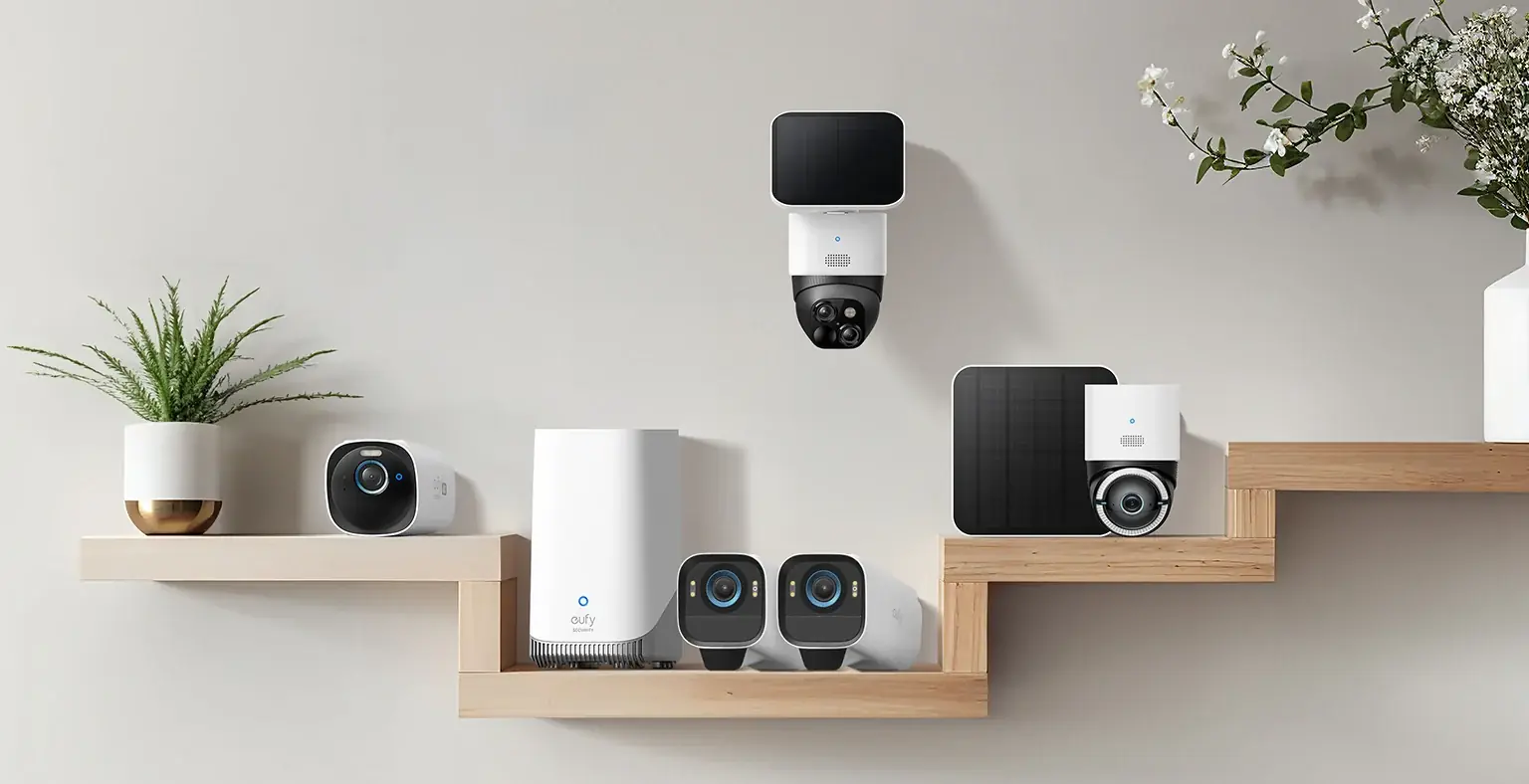
The phrase top outdoor security plans encompasses strategic asset protection and electronic surveillance integration. Far from denoting a generic software kit, the concept refers to a multi-tiered defensive blueprint. This blueprint harmonizes natural surveillance, territorial reinforcement, and access control. Moreover, these plans merge physical boundaries with intelligent lighting and perimeter sensors.
A common misconception views outdoor security as a purely technical challenge solved entirely by cameras. In practice, this reductionist mindset creates false confidence and leaves perimeter vulnerabilities unaddressed. Over-relying on electronic alerts without physical barriers gives intruders ample time to breach property lines. Furthermore, confusion often arises between interior life-safety systems and true perimeter defense architecture. Ultimately, true plans require rigorous threat assessments and compliance with municipal codes.
Deep Contextual Background
The evolution of outdoor security planning mirrors the convergence of urban design and digital sensor technology. For decades, perimeter defense relied primarily on physical muscle, such as tall fences and guard patrols. However, the emergence of Crime Prevention Through Environmental Design (CPTED) fundamentally altered this trajectory. It demonstrated that thoughtful environmental manipulation naturally deters criminal intent.
Concurrently, the rapid proliferation of IP sensor networks transformed perimeter monitoring into active threat detection. Specifically, edge-computing analytics allowed outdoor cameras to differentiate between environmental motion and human intruders in real time. Today, the sector stands at the intersection of automated intelligence and biometric access control. Consequently, this shift allows property owners to manage complex perimeters remotely.
Conceptual Frameworks and Mental Models
Navigating the complexities of robust perimeter defense requires structured mental models that balance psychological deterrence with physical mechanics.
-
The Layered Defense Ring Model: This model conceptualizes security as concentric circles—starting from the outer boundary and terminating at the building envelope—ensuring every layer delays unauthorized entry.
-
The CPTED Triad Framework: This framework balances natural surveillance by maximizing sightlines, territorial reinforcement, and access control.
-
The Time-to-Breach Versus Response Latency Model: This model evaluates physical delay time against expected law enforcement response time, ensuring barriers hold longer than the window.
-
The Psychological Deterrence and Friction Model: This model analyzes how environmental friction, such as thorny landscaping, alters an intruder’s calculation of effort.
Key Categories and Variations
Comprehensive outdoor security planning encompasses diverse strategic variations, balancing physical deterrence and monitoring capability.
-
Active Perimeter Intrusion Detection Systems (PIDS): These systems utilize buried fiber-optic cables or infrared beams along property lines to instantly detect crossing attempts.
-
CPTED-Optimized Environmental Layout Plans: These plans focus on strategic vegetation trimming and pathway design to eliminate natural hiding spots.
-
Intelligent Automated Lighting Grids: Such grids integrate motion sensors to maintain safety while removing deep shadows where intruders could hide.
-
Multi-Zone Video Surveillance Networks: These networks deploy wide-angle and thermal-imaging cameras equipped with artificial intelligence to monitor blind spots.
-
Hardened Physical Barrier Systems: This category combines ornamental fencing, masonry retaining walls, and automated vehicular gates to block unauthorized access.
-
Integrated Smart-Access Control Portals: These portals incorporate keyless biometric scanners, video intercoms, and remote-release mechanisms at gateways.
-
Acoustic Glass-Break and Perimeter Audio Arrays: Such arrays install directional microphones capable of detecting forced entry sounds like breaking glass.
-
Redundant Power and Communication Backups: These systems implement uninterruptible power supplies and cellular failover modules to maintain integrity during outages.
Comparison of Major Outdoor Security Plan Categories
| Security Plan Category | Primary Defensive Mechanism | Optimal Property Application | Main Operational Challenge | Relative Investment Tier |
| Active Perimeter Intrusion (PIDS) | Electronic boundary tripwires and sensors | Large acreage and industrial sites | High susceptibility to false alarms from wildlife | High |
| CPTED Environmental Redesign | Natural surveillance and boundary definition | Suburban residential neighborhoods | Requires ongoing landscaping and maintenance | Low – Moderate |
| Intelligent Lighting Grids | Graduated illumination and motion triggers | Residential and commercial perimeters | Managing light pollution and neighbor complaints | Moderate |
| Multi-Zone Video Surveillance | AI-driven optical tracking and recording | Complex layouts with extensive blind spots | High data bandwidth and storage requirements | Moderate – High |
| Hardened Physical Barriers | Structural fencing, gates, and bollards | Urban properties prone to forced entry | Municipal zoning restrictions and aesthetic impact | High |
| Integrated Access Control | Biometric and credentialed entry portals | Gated estates and corporate compounds | System integration complexity and power needs | Premium |
System Selection Decision Logic
Selecting the appropriate outdoor security framework requires assessing property geography and crime profiles. For example, an expansive rural property demands an active intrusion detection grid paired with thermal cameras. By doing so, it covers vast blind spots without physical fences. Conversely, an urban townhome facing property crime benefits from hardened boundary gates and CPTED-compliant lighting. Security planners must therefore cross-reference municipal fence height ordinances before finalizing any layout.
Detailed Real-World Scenarios and Complexities
Scenario 1: Isolated Rural Estate in Upstate New York
A large residential property situated on twenty wooded acres faces high exposure risks due to remote emergency response times.
-
Project Constraints: Dense foliage creating natural blind spots coupled with police response times exceeding twenty minutes.
-
Decision Points: Consequently, the team deployed buried fiber-optic sensors and long-range thermal security cameras along tree lines.
-
Potential Failure Modes: Heavy wildlife movement can trigger frequent false alarms on exterior motion sensors if thresholds are miscalibrated.
-
Second-Order Effects: While physical security improved dramatically, the high sensitivity settings required continuous fine-tuning of AI software.
Scenario 2: Urban Commercial Warehouse in Chicago, Illinois
A logistics facility located in an industrial corridor suffers from frequent catalytic converter thefts from fleet vehicles.
-
Project Constraints: Strict municipal light pollution codes combined with aggressive property crime rates.
-
Decision Points: To address this, management ordered high-output LED floodlighting and intelligent PTZ cameras.
-
Potential Failure Modes: Intruders can exploit gaps in camera coverage underneath parked semi-trailers across the asphalt yard.
-
Second-Order Effects: The aggressive lighting and visible cameras reduced property loss to zero while lowering insurance premiums.
Scenario 3: Coastal Residential Property in Miami, Florida
A luxury waterfront home faces dual threats from severe storms and waterborne intruders approaching via private docks.
-
Project Constraints: Saltwater corrosion risks affecting electronic hardware alongside strict coastal construction setback regulations.
-
Decision Points: Therefore, engineering teams specified marine-grade stainless steel camera housings and underwater motion sensors.
-
Potential Failure Modes: Airborne salt spray can coat optical camera lenses rapidly, degrading image clarity within weeks.
-
Second-Order Effects: The required marine-grade maintenance schedule increased ongoing upkeep costs, necessitating automated lens-washing attachments.
Scenario 4: Historic Suburban Home in Boston, Massachusetts
A heritage residential property requires advanced outdoor security upgrades without violating historic preservation guidelines.
-
Project Constraints: Strict historic district oversight prohibiting modern chain-link fences and visible exterior conduit runs.
-
Decision Points: As a result, the project incorporated discreet micro-cameras tucked behind architectural trim and subsurface driveway sensors.
-
Potential Failure Modes: Concealing cameras within historic trim can narrow field-of-view angles, leaving pedestrian paths unmonitored.
-
Second-Order Effects: Preserving historical aesthetics maintained property market value while achieving security compliance.
Planning, Cost, and Resource Dynamics
The financial investment required to execute top outdoor security plans extends far beyond basic hardware retail prices. Direct expenditures for commercial-grade cameras and automated gates form the initial baseline. However, indirect costs—such as professional trenching, electrical permits, and cloud subscriptions—frequently account for significant budget portions.
Lead times for custom access control hardware can fluctuate based on supply chain stability, requiring careful milestone synchronization. Furthermore, opportunity costs must be weighed; investing heavily in preventative physical security yields direct financial returns through reduced insurance deductibles.
Financial and Operational Resource Matrix
| Expense Category | Typical Budget Share | Primary Cost Drivers | Hidden / Indirect Costs |
| Surveillance Hardware | 30% – 40% | Ultra-HD sensors, thermal imaging, AI edge processors | Mounting brackets, weatherproof housings, licensing fees |
| Perimeter Infrastructure | 25% – 35% | Automated gates, structural fencing, bollard installation | Trenching, concrete footings, utility line locating |
| Electrical & Networking | 10% – 20% | PoE switches, fiber-optic runs, backup generators | Conduit routing, surge protectors, trench restoration |
| Professional Engineering | 5% – 10% | System design, threat assessment, permit acquisition | Municipal review fees, compliance inspections |
| Ongoing Maintenance | 5% – 10% | Firmware updates, sensor calibration, lens cleaning | Emergency service dispatch, battery replacements |
Tools, Strategies, and Support Systems
Executing a sophisticated outdoor security layout requires advanced software planning tools and rigorous operational support systems.
-
Site-Mapping Simulation Software: This software is used to model camera lens focal lengths and lighting throw radiuses across digital maps.
-
AI-Driven Motion Calibration Platforms: These tools train security cameras to distinguish between human intruders and small animals.
-
Centralized Video Management Systems (VMS): These enterprise platforms aggregate feeds from multiple outdoor zones into a unified dashboard.
-
Power-Over-Ethernet (PoE) Testing Meters: Installers use this diagnostic equipment to verify data throughput and power delivery limits.
-
Cellular Failover Routers: These redundant communication gateways ensure continuous cloud notification delivery if broadband connections fail.
-
Surge Suppression Kits: Specialized electrical protection units prevent lightning-induced power spikes from damaging outdoor hardware.
-
Mobile Security Operations Apps: Secure smartphone interfaces allow property managers to monitor live alerts and disarm gate zones.
-
Automated System Health Monitoring Tools: These utilities ping cameras continuously, issuing immediate service tickets if a device goes offline.
Risk Landscape and Failure Modes
The complex electronic and physical nature of modern outdoor security systems creates specific operational risk profiles.
-
Environmental False Alarm Fatigue: Excessive false triggers caused by swaying tree branches can condition property owners to ignore genuine alerts.
-
Power Disruption and Cable Sabotage: Unprotected exterior wiring can be severed by intruders, disabling cameras if backup batteries are absent.
-
Infrared Glare and IR Reflection Bloom: Poorly positioned infrared illuminators reflecting off nearby brick walls can wash out camera night vision.
-
Cybersecurity Vulnerabilities in IoT Devices: Poorly secured smart cameras utilizing default factory passwords can be hacked by malicious actors.
-
Weather-Induced Sensor Degradation: Extreme temperature swings and persistent moisture can warp camera housings and corrode circuit boards.
-
Over-Reliance on Automated Facial Recognition: Relying exclusively on automated detection without verification can lead to missed intruders.
Governance, Maintenance, and Long-Term Adaptation
Ensuring that outdoor security plans maintain peak operational integrity requires a structured maintenance cadence.
-
Monthly Optical Lens Cleaning: Property teams remove dust and salt spray from camera lenses and infrared glass.
-
Quarterly Vegetation Trimming: Workers cut back rapidly growing bushes that encroach upon motion sensor fields.
-
Semi-Annual Power Backup Audits: Technicians test uninterruptible power supplies and gate backup batteries under simulated grid failure.
-
Annual Cybersecurity Audits: Administrators update IP camera firmware and rotate administrative passwords against emerging exploits.
-
Post-Incident Security Reviews: Safety committees conduct system reviews after any attempted breach to refine sensor sensitivity levels.
Measurement, Tracking, and Evaluation
Assessing the ongoing effectiveness of an outdoor security plan requires continuous tracking of operational metrics.
-
Quantitative Performance Indicators:
-
Ratio of verified security incidents versus total false alarms recorded per month.
-
System uptime percentage measured across all cameras and automated gate controllers.
-
Average response time from initial perimeter breach detection to alert delivery.
-
Insurance premium reductions achieved through certified security upgrades.
-
-
Qualitative Performance Indicators:
-
Operator feedback evaluating night-vision footage clarity and app user-friendliness.
-
Visual inspection logs confirming the absence of lens fogging or hardware tampering.
-
Perceived safety improvements reported by household members or commercial staff.
-
Seamless integration satisfaction between automated lighting and access controls.
-
Common Misconceptions and Oversimplifications
-
Misconception 1: Purchasing expensive cameras guarantees complete security. Correction: High-resolution hardware fails if poorly positioned; proper layout planning matters more than pixel count.
-
Misconception 2: Outdoor security systems require zero maintenance once installed. Correction: Weather exposure and software updates demand regular cleaning and calibration.
-
Misconception 3: Bright floodlights left on all night provide foolproof protection. Correction: Constant light creates harsh shadows that intruders can use for concealment.
-
Misconception 4: Wireless security devices are just as reliable as hardwired systems. Correction: Wireless signals can be blocked by thick masonry, making wired connections superior.
-
Misconception 5: Fences alone are enough to deter determined trespassers. Correction: A fence without motion detection acts merely as a brief physical speed bump.
-
Misconception 6: Security cameras act as an absolute deterrent against crime. Correction: Cameras record events but require active monitoring or physical delays to stop intrusions.
-
Misconception 7: Privacy laws do not apply to outdoor security camera placement. Correction: Pointing cameras directly into neighboring windows can violate local privacy laws.
Ethical, Practical, and Environmental Considerations
The implementation of expansive outdoor security plans introduces important civic and environmental responsibilities. Aggressive exterior lighting systems, if poorly aimed, contribute heavily to artificial light at night, disrupting local nocturnal wildlife ecosystems and human sleep patterns. Responsible design incorporates fully shielded LED fixtures and smart motion activation to keep light within boundaries.
Additionally, extensive camera surveillance capturing public sidewalks raises significant privacy concerns. Ethical property planning balances asset protection with community respect by adjusting privacy masks and ensuring monitoring focuses exclusively on private property perimeters.
Conclusion
The design and execution of top outdoor security plans represent a sophisticated synthesis of environmental psychology, electronic engineering, and physical architecture. By moving beyond superficial gadgets and embracing multi-layered defense models and disciplined maintenance regimes, property owners achieve robust security. Ultimately, effective outdoor security is a cohesive system protecting property while preserving human quality of life.